The Quiet Strain Behind Vietnam’s Executive Class
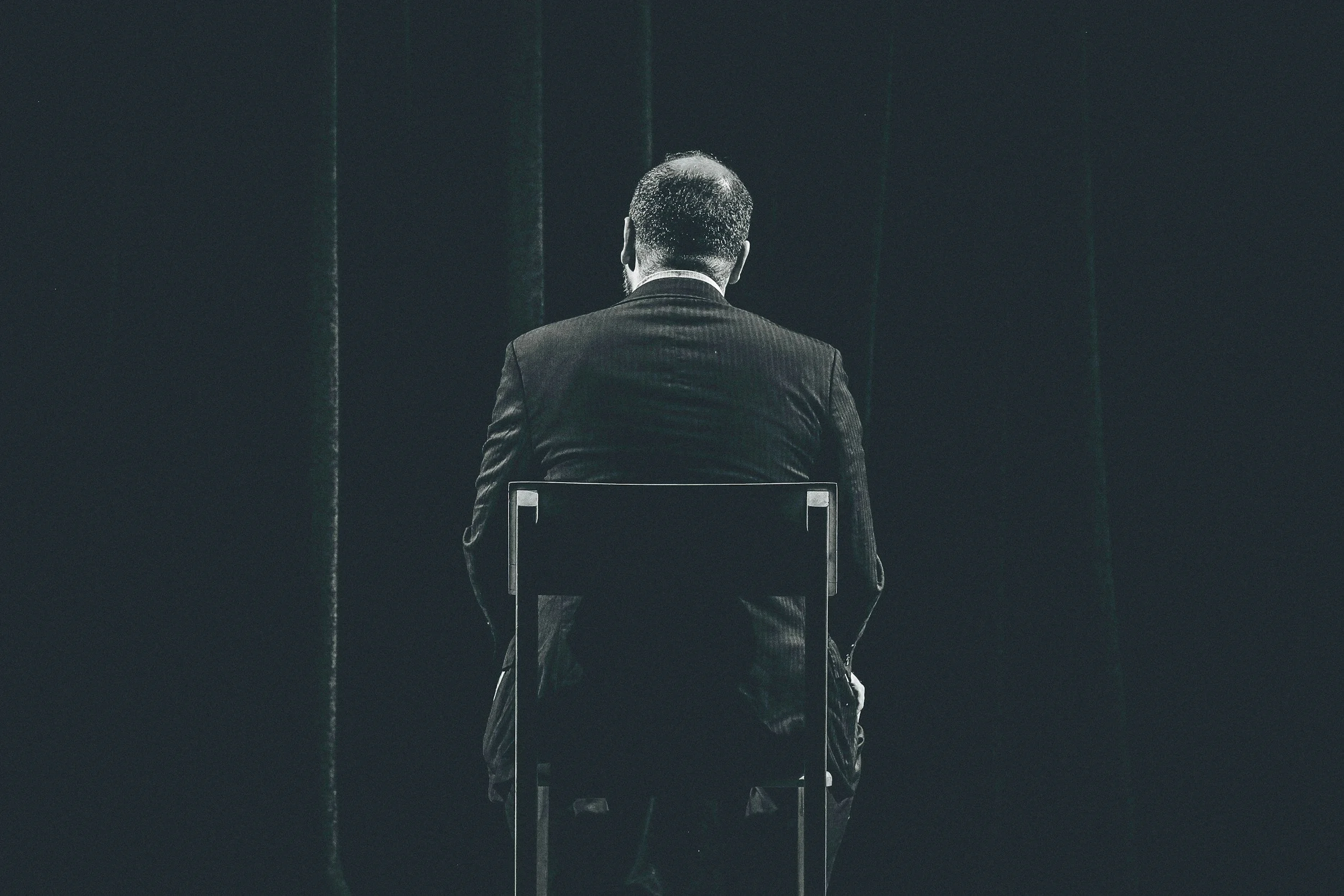
Walk into most boardrooms in Vietnam, and you’ll hear the same story.
The company’s growing. The market looks strong.
And the leadership team?
“They’re fine.”,
“It’s a busy season.”
“We’re just pushing through.”
But talk to those leaders one-on-one — outside of meetings, outside of protocol — and something else starts to emerge. The words are careful. The tone stays calm. But what they’re actually saying is:
“I’m tired, and I don’t know who I can say that to.”
“Everything depends on me. And I don’t know how long I can keep it this way.”
“My team is good — but they’re not ready to carry this yet.”
This isn’t failure. These are successful, respected leaders. They’ve built real businesses. They’ve earned their positions. And still — they’re carrying more than they say, and saying less than they should.
The Pressure Builds Quietly
In Vietnam’s business culture, especially at the top, silence is often mistaken for stability.
Leaders are expected to hold it together — to absorb pressure, to solve quietly, to stay composed.
But composure isn’t the same as clarity.
We’re seeing a pattern across companies that are growing fast but haven’t grown their leadership structure to match. The founder becomes the fallback. Middle managers avoid hard decisions. Teams take action but lack alignment. Slowly, the system wears down — not from external threats, but internal quiet.
Burnout here doesn’t always look like collapse.
Sometimes it looks like politeness.
Sometimes it looks like nothing at all.
This Isn’t About Mental Health. It’s About Performance
When leadership tension goes unspoken, organizations stall.
Important conversations don’t happen. Strategic pivots are delayed.
Good people leave not because of conflict, but because of inertia.
This isn’t just emotional — it’s operational.
The cost of executive silence shows up in lost momentum, unclear priorities, and reactive decisions.
The Strongest Leaders Don’t Do It Alone
There’s a shift happening in Vietnam’s leadership generation.
More founders and executives are starting to ask the right questions:
What systems need to evolve so I’m not the only one holding the weight?
Who in my organization has the clarity and authority to act — without me?
What would it look like to lead with structure, not just effort?
These aren’t signs of weakness.
They’re signs of leadership growing up.
What Happens Next
Vietnam’s next economic chapter will be shaped by those who can lead through structure — not just stamina.
Those who know when to step back, when to step aside, and when to let the system carry what they used to hold alone.
Everyone says they’re fine. The best leaders know when it’s time to say something else.